
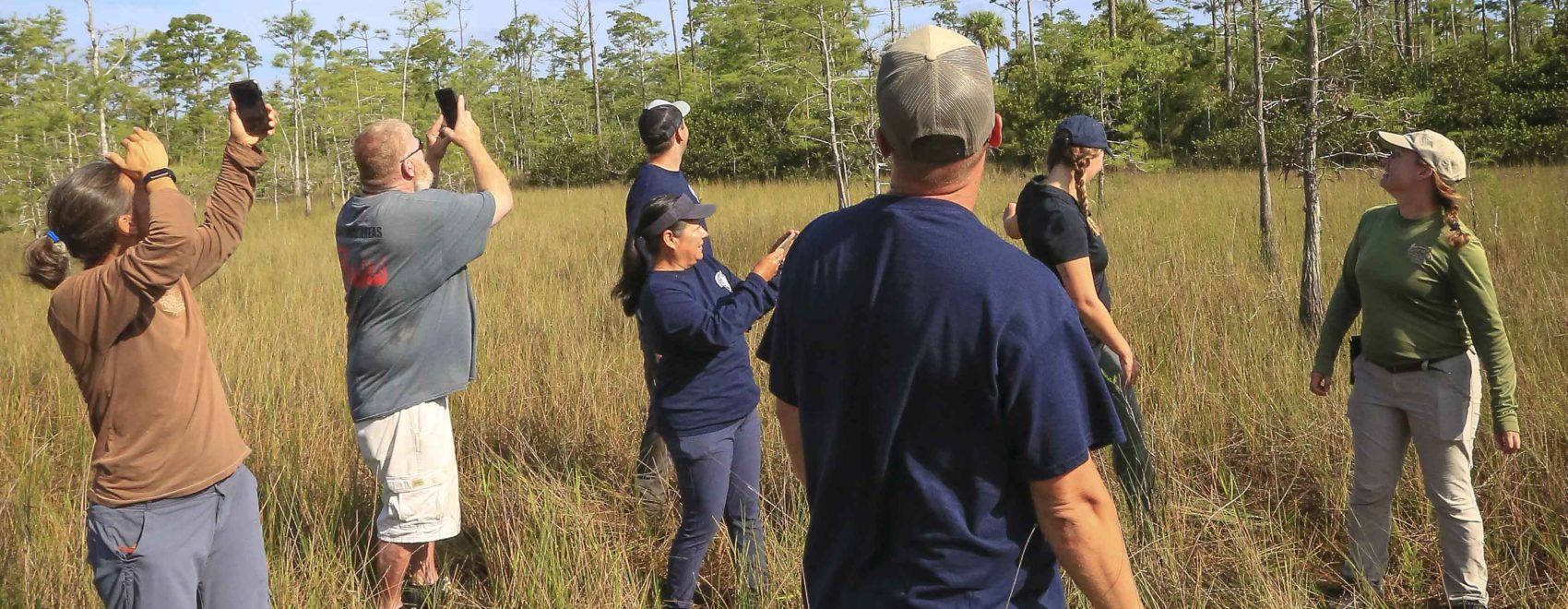
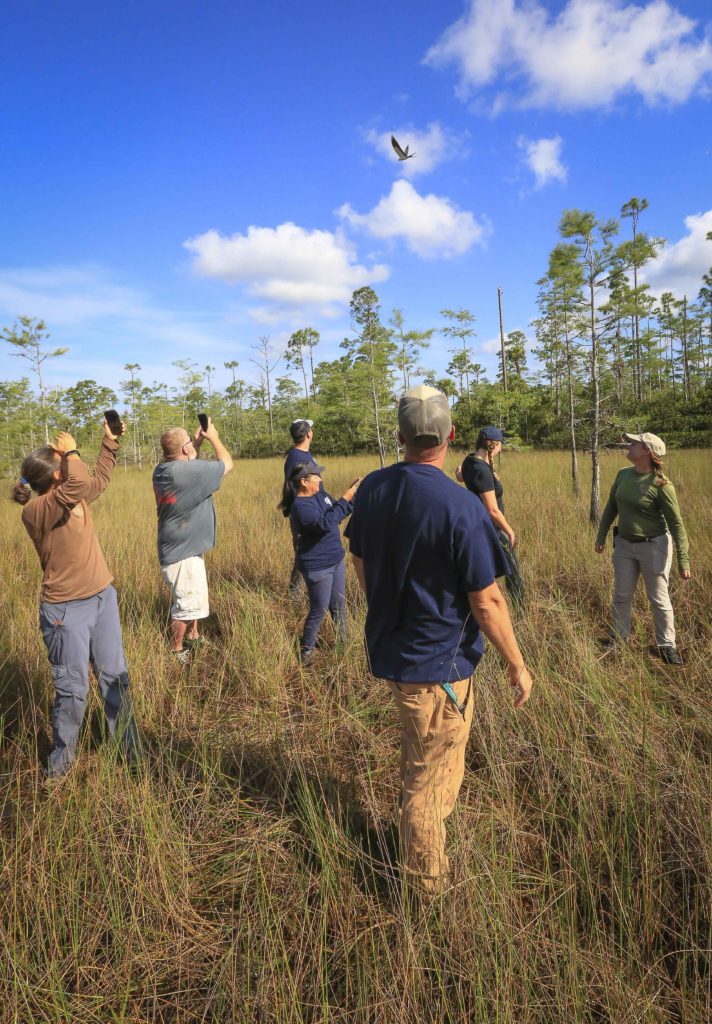
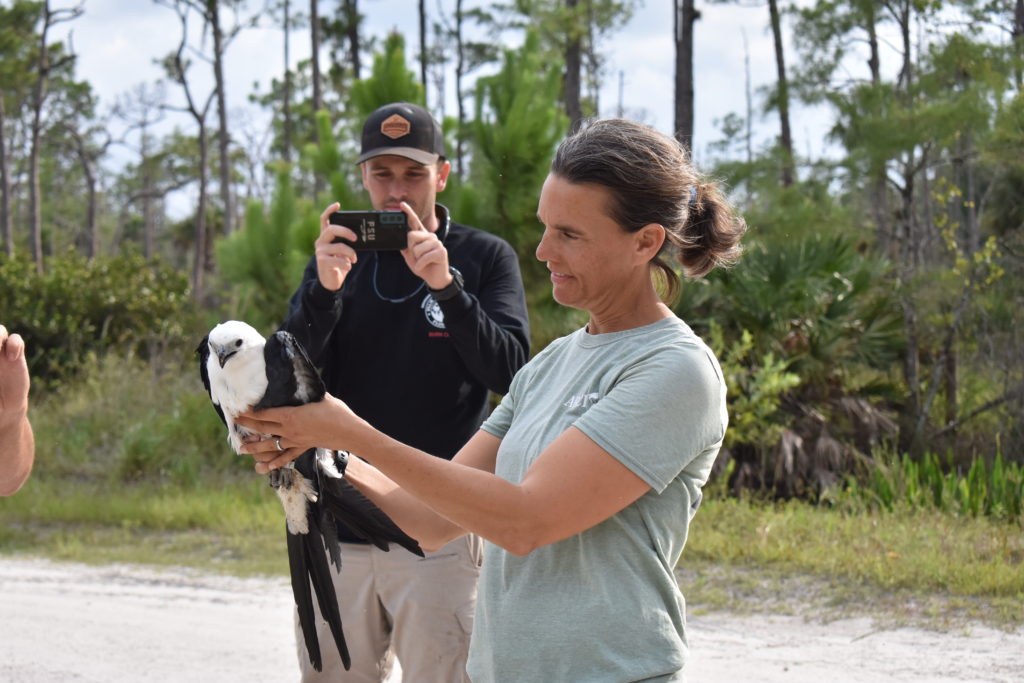
We are delighted continue our partnerships with the Palm Beach Zoo & Conservation Society and Palm Beach County’s Department of Environmental Resources Management (ERM) on Swallow-tailed Kite remote tracking research. This year we put GSM-GPS units (CTT) on three adult Swallow-tailed Kites from breeding locations within the County’s ERM properties discovered by ERM staff who also joined us on the capture and tagging process. Zoo staff also assisted in tagging the kites, with the help of the Zoo’s animal ambassador “Hino”, a Great Horned Owl trained for educational programs.
Introducing Juno:
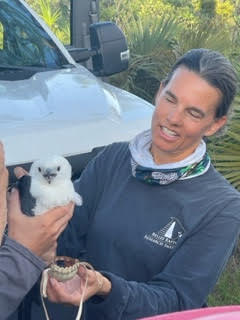
Introducing Lox 22:
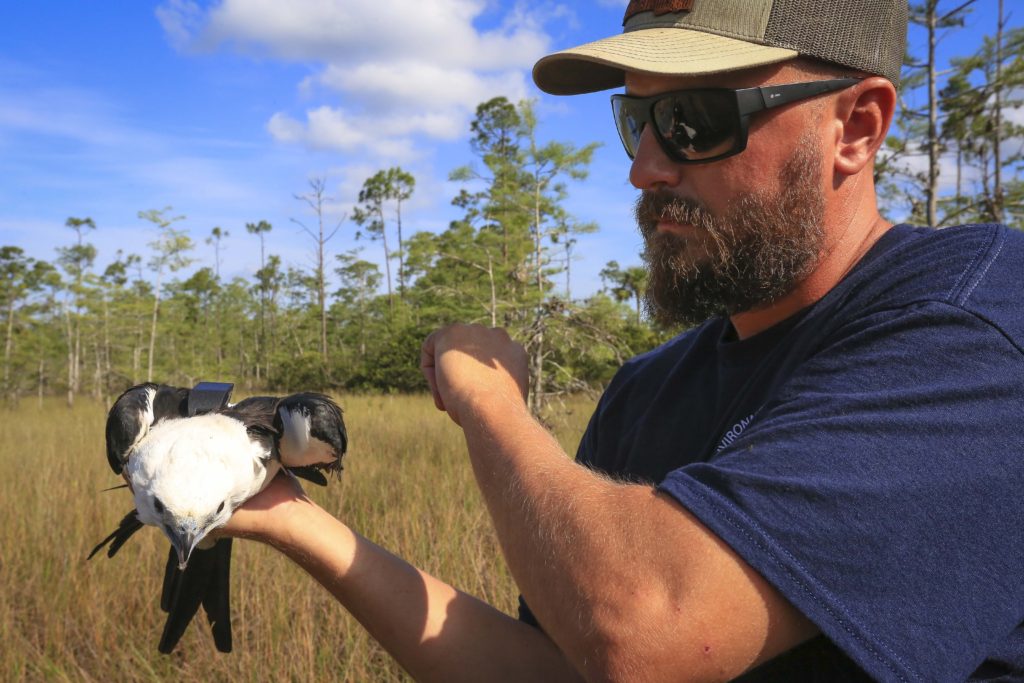
Introducing Cypress:
These three kites add to our accumulated location data from five other GSM-GPS-tagged Swallow-tailed Kites that have since had radio termination or died. One kite Jeaga #1, a female, was on her way back to Florida and most likely died in storms creating dangerous head winds over the Gulf of Mexico in April of 2022.
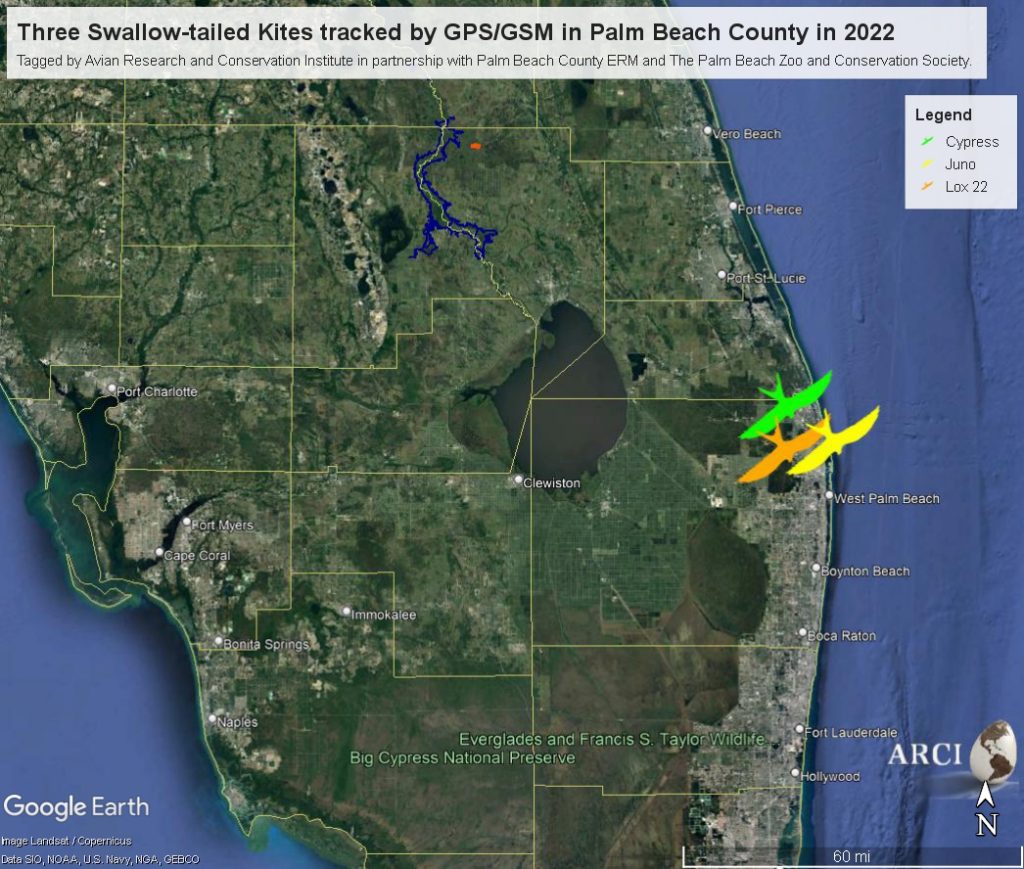
We’ll be following these three and the others as they move to areas where they can gorge on abundant insect food and acquire the necessary fat to prepare for their migration to South America. In the process, many of the kites we tag find each other at communal roost sites and foraging aggregations across the southeastern U.S. before beginning their southbound migration.
Palm Beach Zoo & Conservation Society, in conjunction with long-time Zoo sponsor Florida Power & Light Company, have generously provided funding for the solar-powered GSM-GPS transmitters needed to continue this vital conservation effort.
Can you provide an update on the birds from SC (Big Branch, Peters Creek, and Carvers Bay)?
Hello Mr. Hobson!
We will be sharing a blog post soon. I can tell you that all three are alive however we had some transmitter difficulty with two of the units. Peter’s Creek is still in the Georgetown area. More soon, thanks for checking.